North Macedonia · Marble
also known as Sivec White
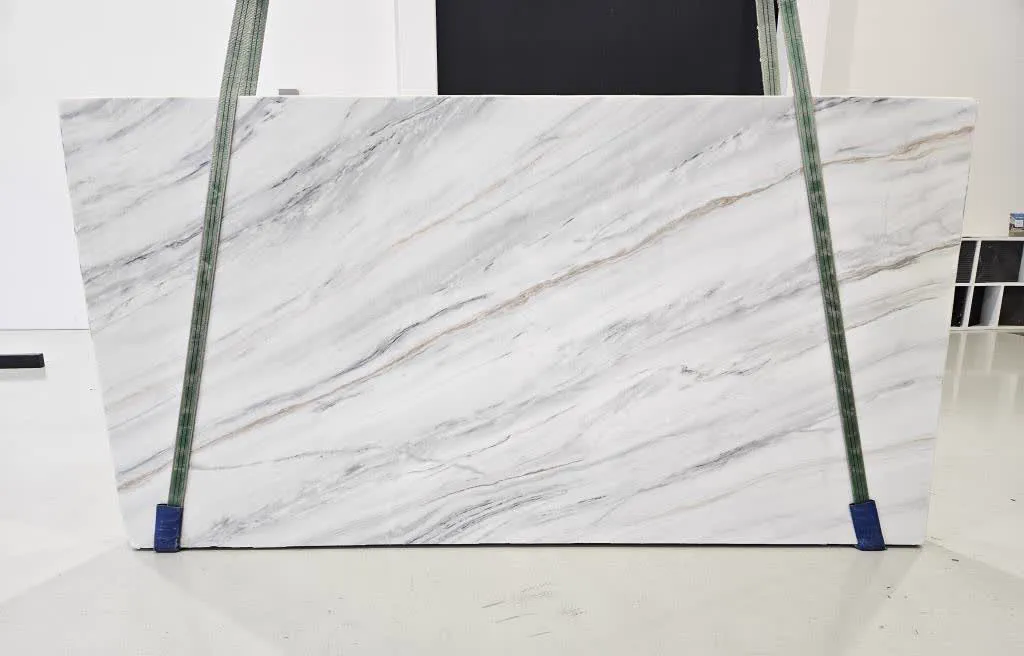
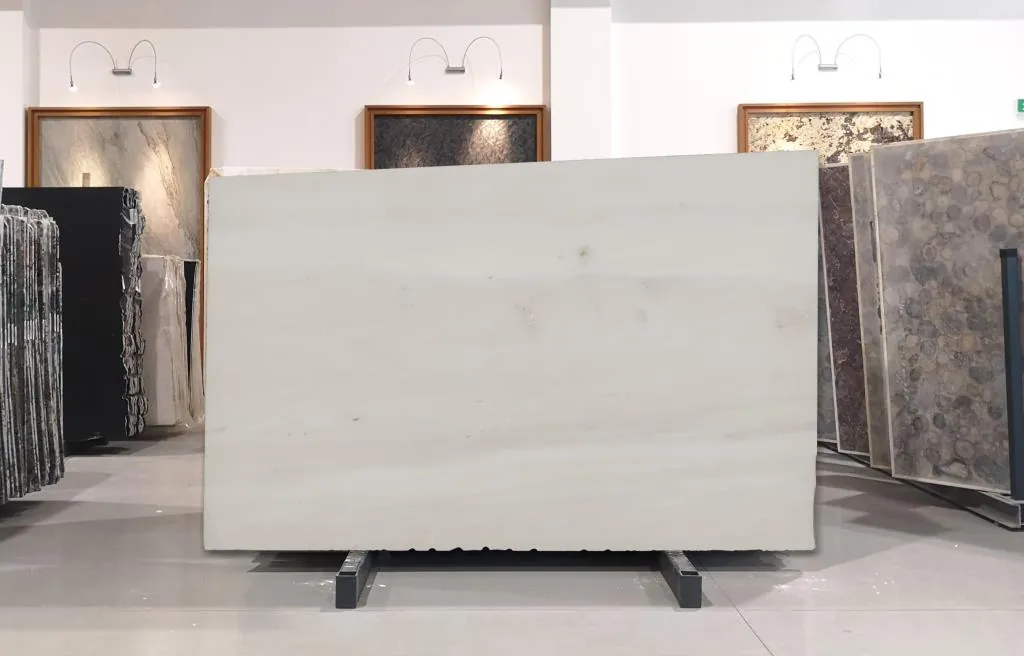
A pure white dolomitic marble from Prilep, among the finest of the Balkan whites, used for sculpture, monuments and luxury interiors.
Type-level physical facts shown. Per-lot lab values (absorption, flexural strength) confirmed at quotation.
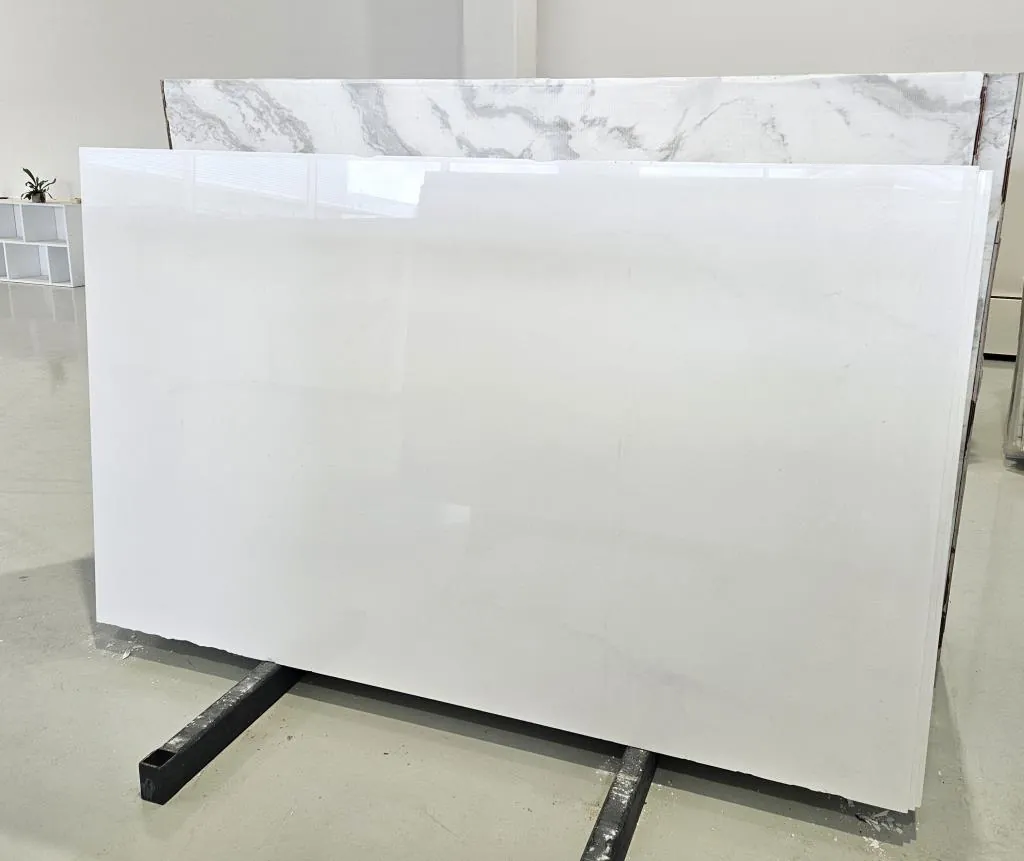
The Sivec quarry near Prilep has been one of the Balkans' most important white marble sources for over a century. Its high purity and fine crystal structure put it in the same category as Thassos and the Italian whites for monumental and architectural applications, at more accessible supply volumes.
Geology. Pure white dolomitic marble (CaMg(CO3)2-dominant), very fine-grained crystal structure, negligible impurities. The dolomitic composition gives superior frost resistance compared to calcitic whites.
We verify each source against five transparent trust signals and route every enquiry through our desk — you deal with us, not a cold inbox.
Sivec marble has been quarried and shipped continuously since Ottoman-era trade routes; it appears in churches, civic buildings and memorials throughout the region.
As an alternative to Italian and Greek white marbles, Sivec is specified for exterior cladding where frost resistance and volume availability matter.
It is a very pure, fine-grained white dolomitic marble, often compared to Thassos and the Italian whites for its brightness and consistency.
Yes — the dolomitic composition makes it more frost-resistant than calcitic whites like Bianco Carrara or Thassos. It is a legitimate exterior-grade white marble with a track record in cold climates.
Sivec matches Thassos in brightness (both are very pure whites) and is usually available at better supply volumes. Volakas has a greyish undertone; Sivec is brighter and more neutral. All three come from the same Aegean-Balkan marble belt.