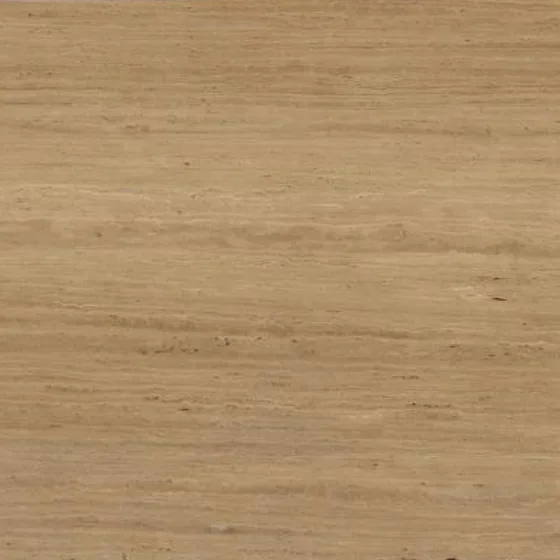
Italy · Travertine
Travertino Romano
also known as Roman Travertine, Travertino Classico
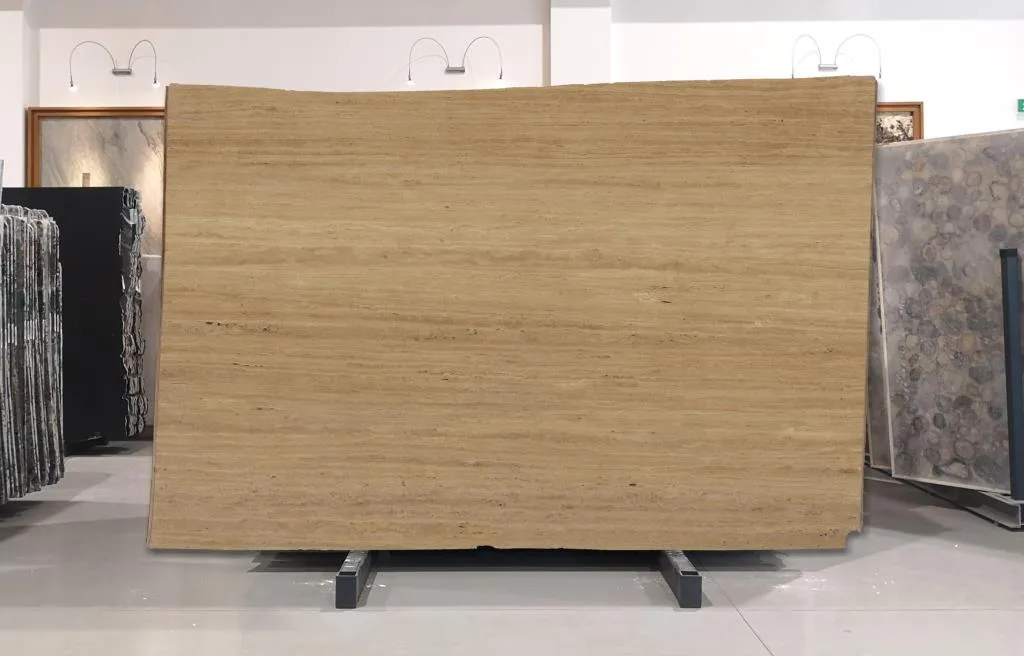
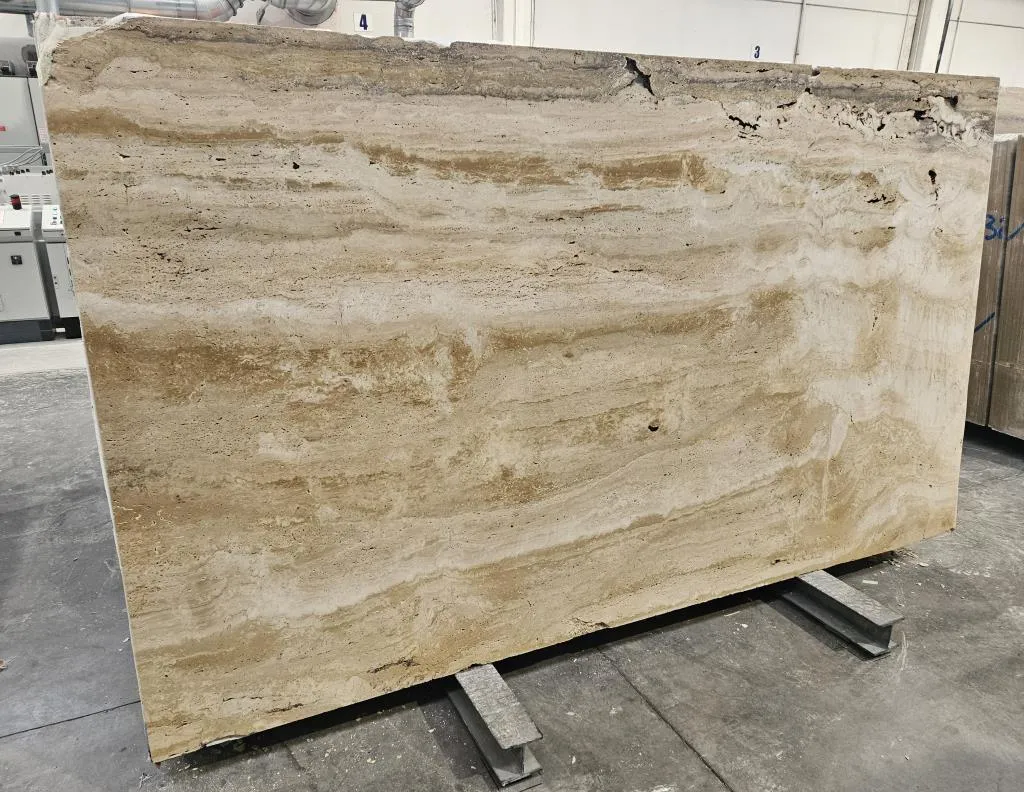
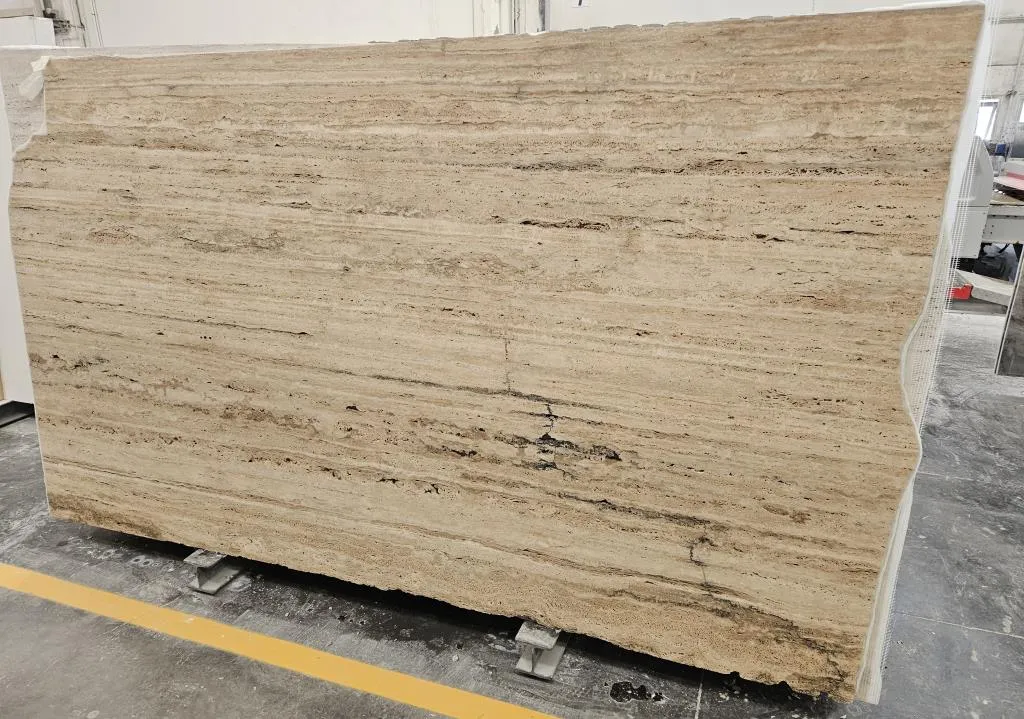
The travertine of Rome, quarried at Tivoli and used from the Colosseum to modern facades. Warm, linear and architectural; available vein-cut or cross-cut, filled or unfilled.
- Origin
- Bagni di Tivoli travertine beds, Tivoli, Lazio, Italy
- Stone type
- Travertine (ASTM C1527 (travertine))
- Density
- 2.4 g/cm³
- Look
- linear, warm, timeless
- Finishes
- honed, filled, brushed, vein-cut, cross-cut
- Formats
- slab, tile, cut-to-size, pavers
- Exterior use
- Suitable — dense, exterior-grade
- Est. yield / waste
- ~10-12% indicative (depends on fill and vein/cross-cut direction)
- US import (HTS)
- 6802.91.20.00 (travertine, worked building stone)
Type-level physical facts shown. Per-lot lab values (absorption, flexural strength) confirmed at quotation.
Produced by Tivoli Travertine Group · Tivoli / Guidonia, Lazio