Italy · Limestone
Perlato Sicilia
also known as Perlato di Sicilia, Perlato Svevo
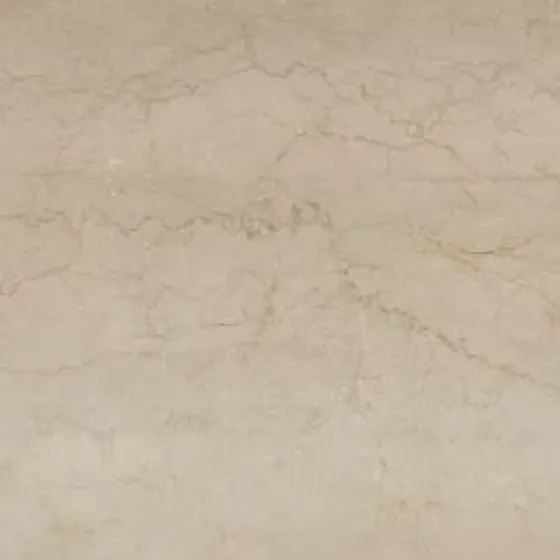
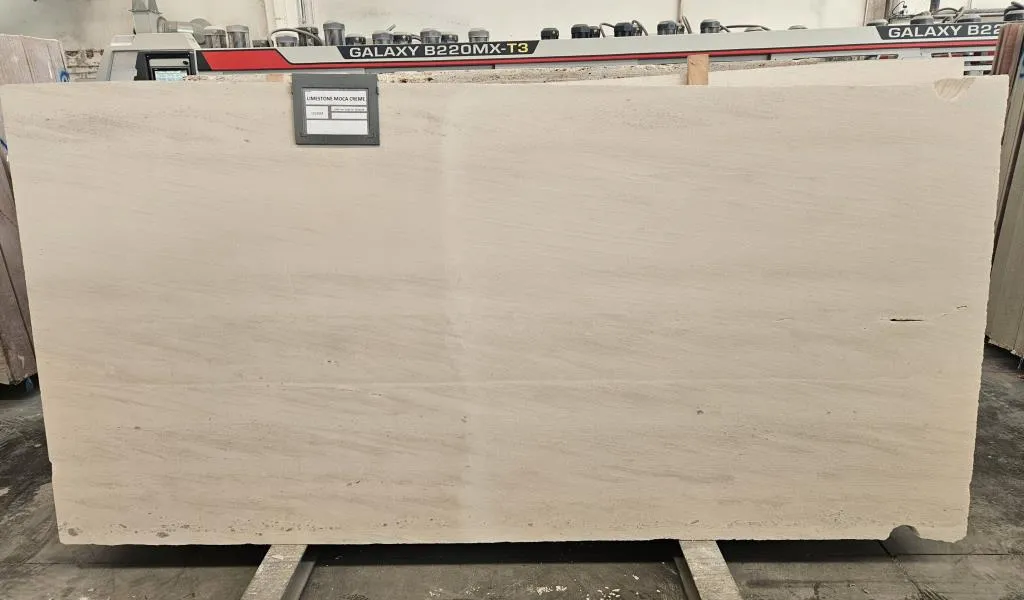
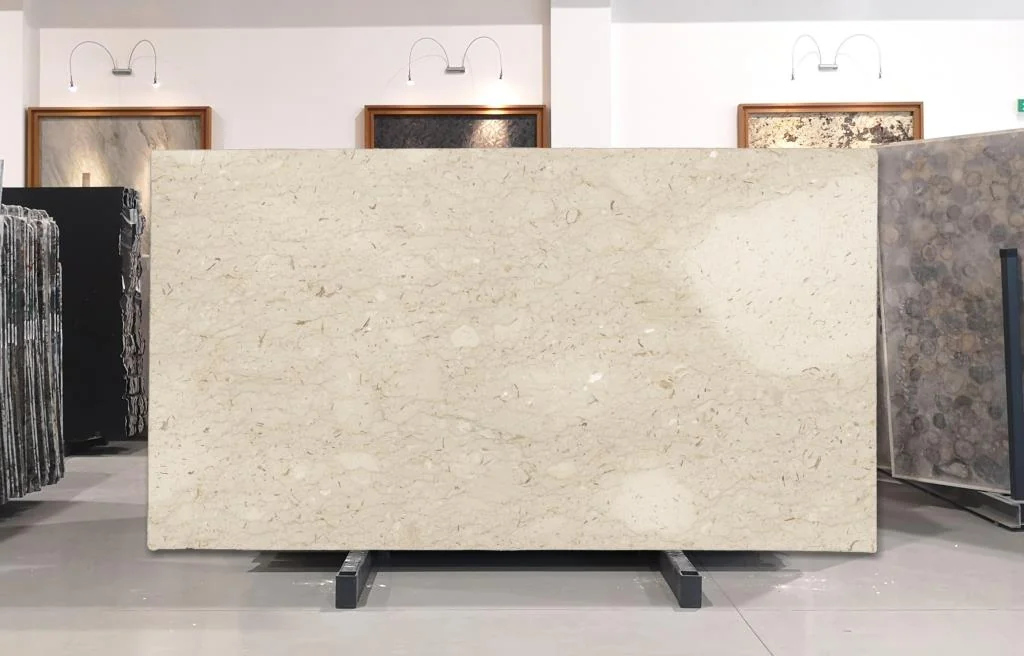
A warm cream limestone from Sicily distinguished by scattered fossil shells, coral fragments and marine organisms that give the surface its organic, characterful pattern. Dense and quarried at scale, it has clad Italian civic buildings and luxury hotels for decades.
- Origin
- Custonaci / Erice quarries, Trapani province, Sicily, South-central Sicily, Italy
- Stone type
- Limestone (ASTM C568 (limestone))
- Density
- 2.65 g/cm³
- Look
- fossil-rich, warm, organic pattern, natural
- Finishes
- polished, honed, sandblasted
- Formats
- slab, tile, cut-to-size, pavers
- Exterior use
- Suitable — dense, exterior-grade
- Est. yield / waste
- ~12% indicative (fossil-rich lots may show colour drift between blocks)
- US import (HTS)
- 6802.92.00.00 (other calcareous stone, worked building stone)
Type-level physical facts shown. Per-lot lab values (absorption, flexural strength) confirmed at quotation.
Produced by Brescia Stone Group · Botticino, Brescia (Lombardy)